88 - Make The Most of Your Year-End Review (Even If You Don’t Have One)
Dec 14, 2025
For some people, the year-end review is a formal, scheduled conversation with a clear structure and paperwork to complete. For others, it barely exists at all. And for many, it is something to endure rather than something to use.
But when done well, a year-end review can be one of the most powerful career conversations of the year. It is an opportunity to pause, reflect, and take stock of whether you are genuinely making progress, not just staying busy.
I have experienced very different approaches to performance and development over the years. Early in my career, particularly in the Army, personal development was embedded into everything we did. Feedback was regular, expectations were clear, and progress was tracked almost without question. At the time, I took it for granted because I knew no different.
Later, I worked in environments where there was little structure at all. Feedback was sporadic, objectives were non existent, and it was often hard to gauge how you were perceived or whether you were truly moving forward. Now, I find myself in a much more structured environment again, and I fully embrace it. This time of year, I use it as a chance not only to reflect on my performance at work, but also to zoom out and think about my life more broadly.
At its core, a year-end review exists for one simple reason: to check whether progress has been made against what you committed to. That means reflecting on what you set out to do, whether you achieved it, and what that tells you about what comes next.
What really matters in a year-end review
In my experience, strong reviews tend to focus on three core areas.
First, what you delivered. This is about outcomes and results. When I set objectives at the start of the year, I want to be able to say twelve months later, clearly and honestly, “yes, I achieved this” or “no, I didn’t.” If the answer is unclear, the objective probably was too. This is why setting focused, intentional objectives matters so much.
Second, the impact you had. This looks beyond outputs to the difference your work actually made. Did it move things forward, unblock others, improve performance, or create momentum where it was needed?
Third, how you delivered it. Behaviour matters. You can have significant impact, but if you leave people drained or disengaged along the way, the cost is high. Equally, being pleasant but not delivering what is required helps no one. Most people sit somewhere between those extremes, and a good review acknowledges both strengths and growth areas.
How I prepare for year-end reviews
Every organisation has its own structure, language, and expectations, so preparation starts with understanding the framework you are working within. Read the guidance, understand what is being assessed, and gather evidence accordingly. A review is a conversation, but it should be grounded in facts.
Throughout the year, I keep a running catalogue of achievements, feedback, and progress, and I make a point of giving and receiving live feedback as things happen, rather than saving everything for one conversation at the end of the year. This makes the review far more balanced and ensures it reflects the whole year, not just the last few months.
When it comes to the review itself, I like to start with a wellbeing check-in. It helps settle nerves, creates a human connection, and gives me a sense of where the other person is at. I then share the agenda so there are no surprises.
I always ask what the individual feels has gone well before sharing my own perspective. We then explore what could have gone better, listening carefully and feeding back constructively. This is where learning happens, and where people often gain the most insight.
Objectives come next. If they were set clearly at the start of the year, reviewing progress against them should feel straightforward. Did you do what you said you would? Did priorities change? Did the impact meet what was needed? If objectives were vague, this usually becomes obvious very quickly.
Finally, we look ahead. Development, growth, and what comes next. That might mean a role move, deeper expertise, a qualification, or simply refining how someone shows up.
Behaviour matters more than many people realise
Behaviour is often underestimated in performance conversations. How you deliver is just as important as what you deliver. Did you bring people with you? Did you coach, support, and enable others? Did you contribute positively to the environment around you, or did progress come at a cost?
These things shape reputation, trust, and long-term opportunity far more than many people realise.
What if you do not have a formal review?
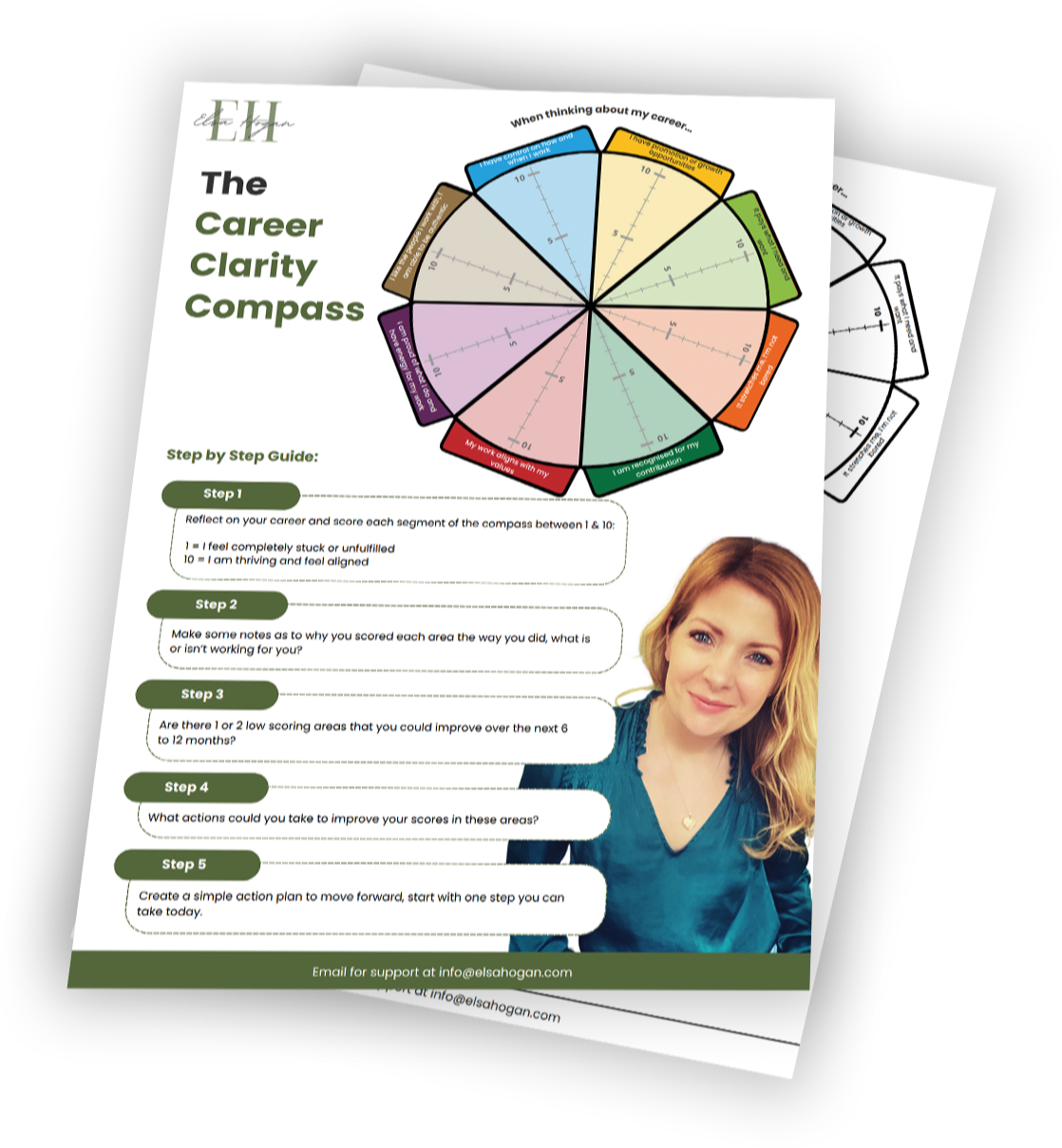
Even if your organisation does not offer a structured year-end review, it is still essential to create one for yourself. Without reflection, a year can pass very quickly and you may find yourself in exactly the same place as before, wondering why nothing has changed.
This is your chance to check in. Are you making progress in your career and your life? Are you developing in the direction you want? Are your efforts aligned with your longer-term goals?
Before the year closes, start thinking about what success looks like next. If you feel stuck, ask for help. A manager, mentor, colleague, coach, or even AI can help you gain clarity and think differently.
Next week, I will share how I personally set three professional and three personal objectives each year, and how keeping them visible helps me stay focused on what truly matters.
Always with love,
Elsa x